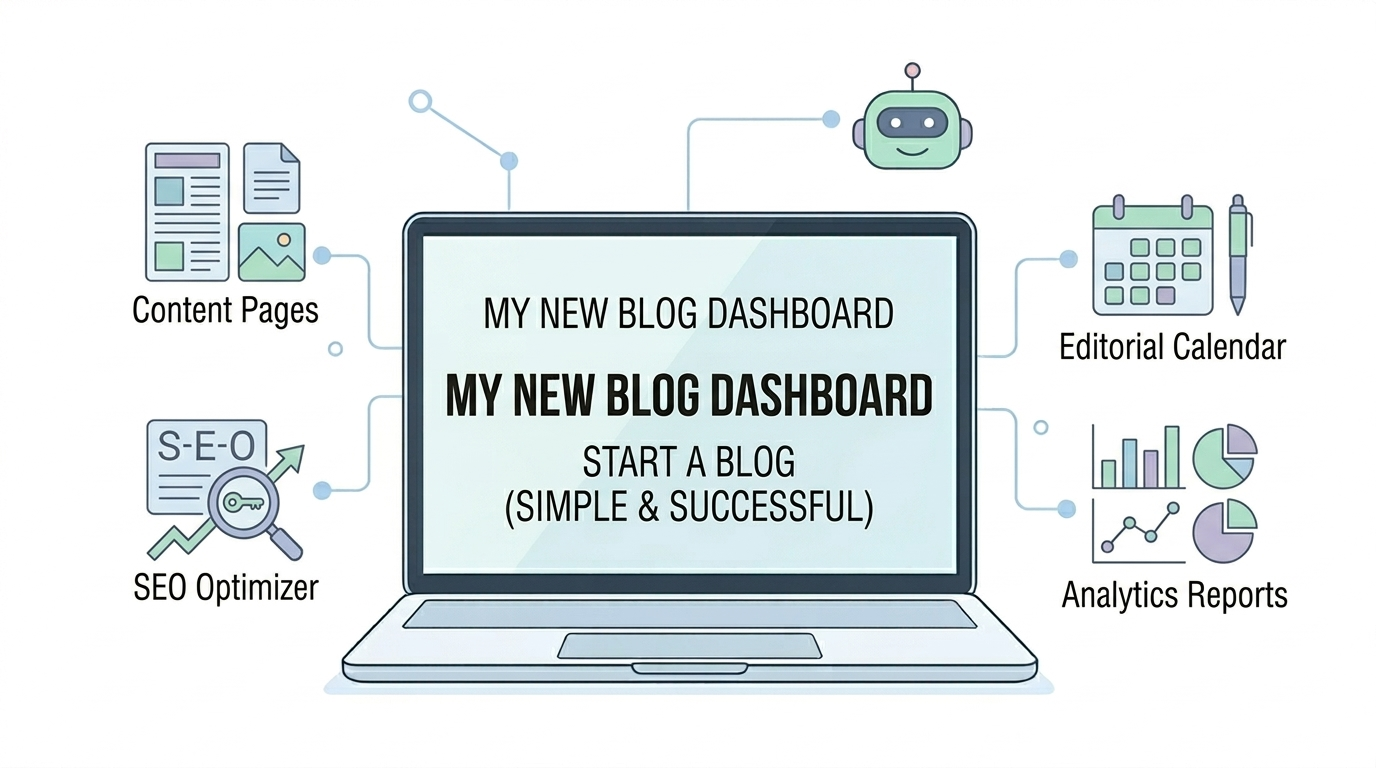
When I first thought about starting a blog, I had no idea where to begin.
There were so many questions in my mind:
- Do I need coding skills?
- Is blogging still profitable?
- Can beginners actually get traffic from Google?
After researching and experimenting for a while, I realized something important:
Starting a blog today is easier than ever.
You don’t need to be a developer. You don’t need expensive tools. And you definitely don’t need years of experience.
What you do need is a clear plan and the willingness to stay consistent.
In this beginner guide, I’ll walk you through the step-by-step process of starting a blog in 2026, even if you have zero technical knowledge.
Why Blogging Is Still a Great Opportunity
Before we get into the technical steps, let’s answer a common question.
Is blogging still worth it in 2026?
The short answer is yes.
Millions of people search Google every day for information, tutorials, reviews, and guides. Blogs are still one of the best ways to provide that information.
Successful blogs can make money through:
- advertising
- affiliate marketing
- digital products
- online courses
- sponsored content
The key is not just starting a blog, but building a helpful website that solves real problems for readers.
Step 1: Choose a Blog Niche
The first step is deciding what your blog will be about.
This is called your niche.
A niche is simply a specific topic or area that your blog focuses on.
For example:
- AI tools
- personal finance
- travel
- fitness
- online business
- productivity
When I started learning about blogging, I noticed something interesting. The blogs that grew the fastest usually focused on one clear topic instead of many unrelated subjects.
So instead of writing about everything, choose a niche where you can consistently create useful content.
A good niche usually has three things:
- People are searching for it
- You are interested in the topic
- There are ways to monetize it later
If you enjoy the topic, writing blog posts will feel much easier over time.
Step 2: Pick a Blog Name and Domain
Once you choose your niche, the next step is picking a domain name.
Your domain is simply your blog’s address on the internet, like:
- example.com
- yourblog.com
A good domain name should be:
- easy to remember
- short and simple
- related to your topic if possible
For example, if your blog is about AI tools, your name might include words like:
- AI
- tools
- tech
- digital
But don’t overthink it too much. Many successful blogs have brand names that don’t directly describe the niche.
The most important thing is that your name sounds professional and is easy to spell.
Step 3: Buy Hosting and Install WordPress

To make your blog available on the internet, you need something called web hosting.
Hosting is basically a service that stores your website and makes it accessible online.
Most beginner bloggers use WordPress because it is:
- free
- flexible
- beginner friendly
- used by millions of websites
The process usually looks like this:
- Buy hosting from a hosting provider
- Connect your domain name
- Install WordPress with one click
Many hosting companies now provide automatic WordPress installation, so the setup only takes a few minutes.
Once WordPress is installed, you can log into your website dashboard and start building your blog.
Step 4: Choose a Simple Blog Theme
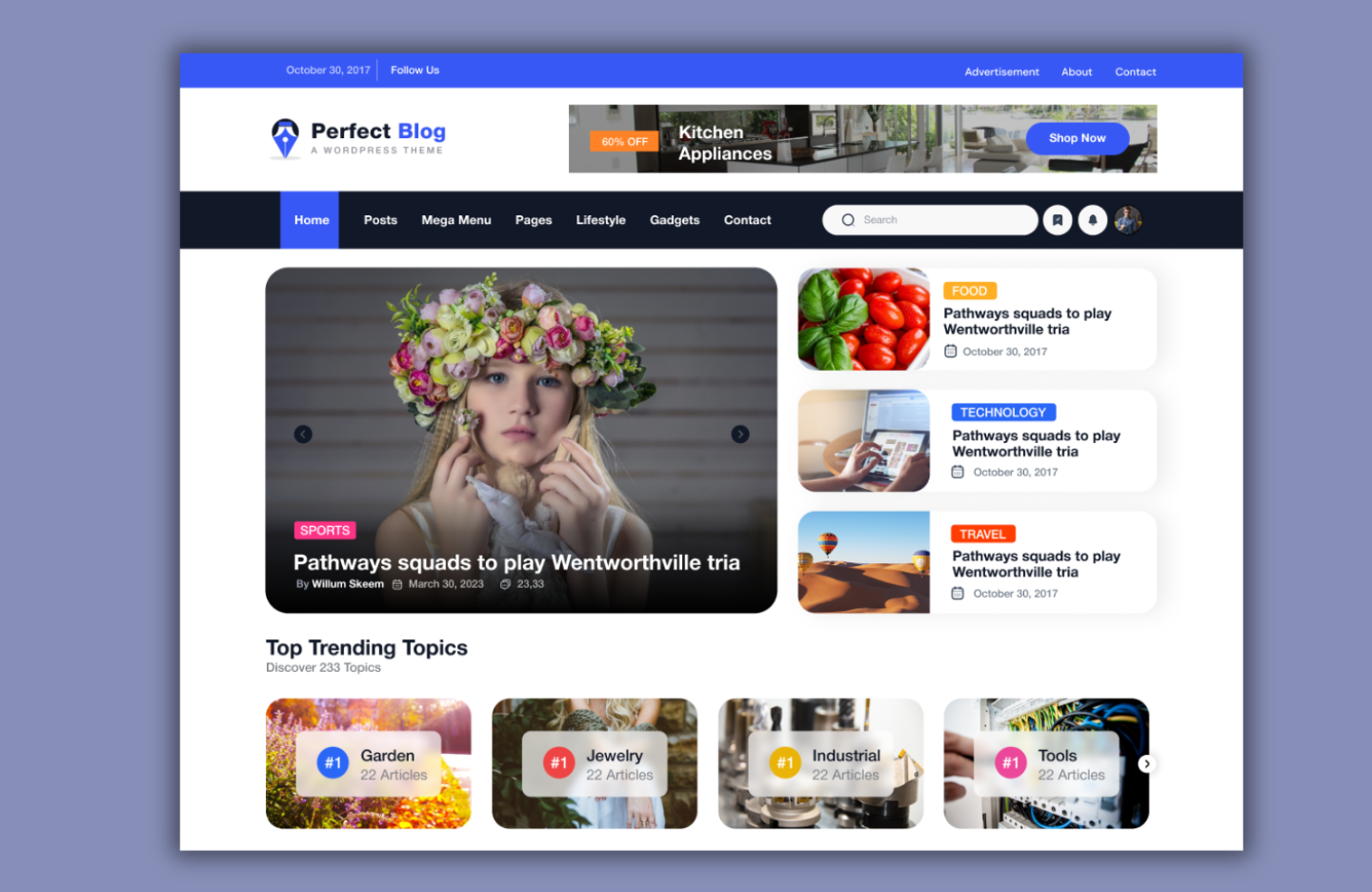
Your blog’s theme controls how your website looks.
When I first started exploring themes, I noticed there were thousands of options. But beginners often make the mistake of choosing something overly complicated.
A good blog theme should be:
- fast
- clean
- easy to read
- mobile friendly
Remember that most people will visit your blog from their phones, so mobile design matters a lot.
A simple layout with clear text and images usually works better than a complex design.
Your goal is not to create the most artistic website. Your goal is to create a website that people enjoy reading.
Step 5: Create Important Pages
Before publishing blog posts, it’s a good idea to create a few important pages.
Most blogs include these basic pages:
About Page
This page tells visitors who you are and what your blog is about.
You can share:
- your background
- why you started the blog
- what readers can expect to learn
Contact Page
This allows people to reach you for questions, partnerships, or feedback.
Privacy Policy
This page explains how your website handles user data and cookies.
Many blogging platforms can generate a basic privacy policy automatically.
Creating these pages helps your blog look more professional and trustworthy.
Step 6: Plan Your First Blog Posts
Now comes the most important part: content.
A blog without content cannot attract readers.
Before writing randomly, I recommend planning at least 10 to 20 article ideas in advance.
Think about questions beginners ask in your niche.
For example, if your blog is about AI tools, your articles might include topics like:
- best AI tools for beginners
- how to use AI for productivity
- AI tools for content creation
Your goal is to write articles that help people solve problems or learn something useful.
Helpful content is what eventually attracts search engine traffic.
Step 7: Write High-Quality Blog Posts
When writing blog posts, focus on making your content:
- easy to read
- helpful
- well structured
A simple structure usually looks like this:
Title (H1)
A clear and interesting headline.
Introduction
A short paragraph explaining what the article will cover.
Main Sections (H2)
Each section covers one idea or topic.
Conclusion
A short summary or final advice.
Another important tip is to write like you are explaining something to a friend.
Avoid complicated language and keep your writing conversational.
Readers prefer content that feels human and natural.
Step 8: Use Images and Visuals
Visuals make blog posts more engaging.
Instead of presenting only long paragraphs of text, try adding:
- illustrations
- screenshots
- charts
- diagrams
Images help break up the content and make it easier to understand.
They also make your blog look more professional.
Many bloggers use simple flat illustrations or AI-generated images for their articles.
Just make sure the visuals support the topic and don’t distract from the content.
Step 9: Learn Basic SEO

SEO stands for Search Engine Optimization.
It simply means making your content easier for search engines like Google to understand.
Some basic SEO practices include:
- writing clear article titles
- using headings to organize content
- answering common search questions
- creating helpful, detailed articles
One important thing to remember is that SEO today focuses heavily on content quality.
Search engines want to recommend content that actually helps readers.
So instead of obsessing over keywords, focus on writing useful and well-researched articles.
Step 10: Be Consistent
One of the biggest reasons blogs fail is inconsistency.
Many people publish two or three posts and then stop when they don’t see immediate results.
But blogging is a long-term strategy.
Traffic often grows slowly at first. Over time, as you publish more helpful articles, search engines start discovering and ranking your content.
A good goal for beginners is publishing one or two blog posts per week.
Consistency builds momentum and increases your chances of success.
How Bloggers Use AI Today
In 2026, many bloggers use AI tools to make the process easier.
But the best approach is not letting AI write everything automatically.
Instead, AI can help with:
- generating article ideas
- creating outlines
- researching topics
- improving readability
A simple rule that works well is:
40% AI assistance + 60% human effort
This keeps your content natural, authentic, and valuable.
Readers can easily recognize when an article feels robotic.
Your personal insights and experience are what make your blog unique.
Final Thoughts
Starting a blog in 2026 is easier than ever, but success still requires patience and effort.
The process can be summarized in a few simple steps:
- Choose a niche
- Register a domain
- Set up WordPress
- Write helpful content
- stay consistent
You don’t need to know everything before you start.
Many successful bloggers learned along the way by experimenting, improving their writing, and listening to their audience.
If you stay consistent and focus on helping readers, your blog can slowly grow into something meaningful.
And who knows — what starts as a small blog today might eventually become a powerful online business in the future. 🚀